





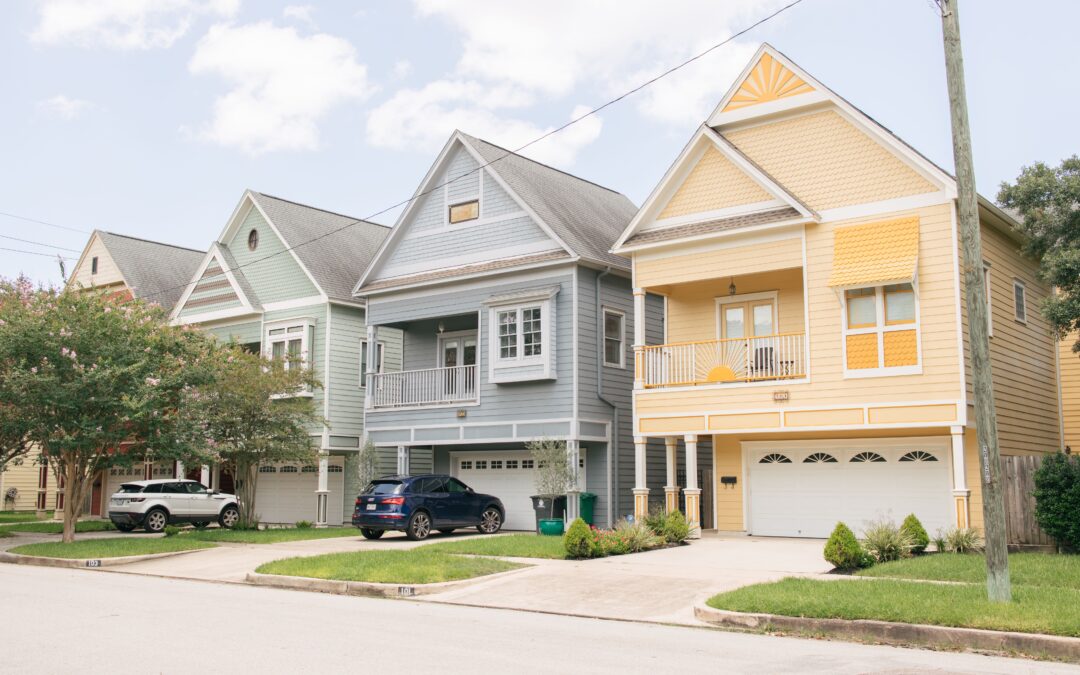
Buying a home is one of the most important financial decisions a person can make. While many buyers focus on the property’s size, design, and price, the surrounding community deserves equal attention. A residential community can influence everyday convenience, access to essential services, and overall quality of life. Choosing the right environment can make a significant difference in both short-term satisfaction and long-term value.
As cities continue to grow and evolve, buyers have more housing options than ever before. Austin, Texas, is a notable example, as it has experienced rapid population growth over the past decade and continues to attract new residents from across the country. This growth has led to the development of diverse residential areas that cater to different lifestyles and needs. Understanding what makes a community desirable can help buyers make informed decisions and find a place that supports their goals for years to come.
The Importance of Location and Accessibility
A home’s location affects more than just its address. It directly influences how easily residents can access the places and services they rely on every day. Because of this, buyers should consider factors such as proximity to workplaces, healthcare facilities, schools, grocery stores, and entertainment options. When these destinations are nearby, daily routines become more efficient and convenient.
As buyers evaluate different residential communities, they often look for locations that offer a balance between accessibility, neighborhood amenities, and future growth potential. This consideration becomes even more important in rapidly expanding cities, where development can shape both lifestyle and property value. For this reason, many prospective homeowners explore new home communities in Austin, as the city features thoughtfully planned developments located near major employment hubs, transportation corridors, schools, healthcare providers, and retail centers. These location advantages can make daily routines more convenient while also supporting long-term residential appeal.
Evaluating Community Amenities and Shared Spaces
Amenities can significantly enhance the residential experience. Many communities offer features such as walking trails, fitness centers, swimming pools, playgrounds, and community gathering areas. These spaces encourage outdoor activity, social interaction, and greater convenience for residents of all ages.
However, buyers should look beyond the quantity of amenities and assess their quality and relevance. A community may offer numerous features, but only a few may match a buyer’s lifestyle and interests. Visiting the neighborhood in person can help determine whether shared spaces are well-maintained and actively used. When amenities align with residents’ needs, they contribute to a more enjoyable and connected living environment.
Assessing Safety, Maintenance, and Community Standards
A community’s appearance and upkeep can reveal a great deal about its overall quality. Well-maintained streets, landscaping, and shared spaces often reflect active management and resident involvement. Buyers should pay attention to the condition of common areas, lighting, and public spaces during visits. These details can provide insight into how the community operates on a day-to-day basis. They can also help buyers identify whether the neighborhood is likely to remain attractive over time.
It is also important to understand any community guidelines that may apply. Homeowners’ associations often establish standards related to property maintenance and neighborhood appearance. While these rules vary, they can help preserve the community’s character and contribute to a more organized living environment. Reviewing these expectations before purchasing can prevent surprises later. Clear standards can also support consistency throughout the neighborhood.
Looking at Long-Term Growth and Development Potential
A residential community should meet current needs while also supporting future goals. Areas experiencing economic growth, infrastructure improvements, and new development projects often attract continued interest from buyers. Researching local plans can help individuals understand how a neighborhood may evolve and what opportunities may emerge. This information can provide valuable context when comparing different communities.
Growth can affect both lifestyle and property value. New schools, retail centers, and transportation improvements may increase convenience and accessibility for residents. Buyers who consider long-term development trends gain a broader perspective on their investment. Evaluating these factors can help identify communities with strong potential for lasting appeal.
Considering Lifestyle Compatibility and Community Culture
Every buyer has unique priorities, which makes lifestyle compatibility an essential consideration. Some people prefer active neighborhoods with community events and recreational opportunities, while others value privacy and quiet surroundings. The right community should support daily routines and align with personal preferences. A good fit often contributes to greater satisfaction after the move.
Visiting a neighborhood at different times can provide a clearer picture of its atmosphere. Buyers should observe how residents use shared spaces and interact with one another. These observations can reveal whether the environment feels welcoming and suitable. A community that complements a buyer’s lifestyle often contributes to a more enjoyable and functional home experience. It can also make it easier to build a sense of belonging over time.
Understanding the Financial Aspects Beyond the Purchase Price
The purchase price represents only one part of the overall cost of homeownership. Buyers should also account for expenses such as property taxes, homeowners association fees, insurance, and ongoing maintenance. Understanding these costs early can help create a more accurate budget and reduce financial strain after moving in. Careful planning allows buyers to prepare for both expected and unexpected expenses.
It is equally important to evaluate the value received in return for these expenses. Some fees may support amenities, landscaping, security, or community improvements that enhance daily living. Reviewing both current and potential future costs allows buyers to make informed decisions and avoid unexpected financial obligations.
Building Confidence in Your Community Choice
Selecting a residential community requires careful evaluation of multiple factors, from location and amenities to long-term growth and financial considerations. Looking beyond the home itself helps buyers develop a more complete understanding of what daily life may look like in a particular neighborhood. Taking time to research thoroughly can reduce uncertainty during the decision-making process.
Communities shape experiences, influence convenience, and affect long-term satisfaction. By researching options thoroughly and considering both present needs and future goals, buyers can make decisions with greater confidence. A thoughtful approach increases the likelihood of finding a community that offers lasting value and supports a comfortable lifestyle for years to come.