




Q
My sister and I are close, and we often discuss the best things to do for and with our children. We each have babies and kids of varying ages, and we read your articles, which often focus on best parenting practices. That brought up an interesting question: What are the worst parenting practices? We decided to ask you, “What parenting mistakes do you wish every parent and caregiver would avoid?”
A
Thank you for this interesting and important question. Here are some common parenting mistakes to avoid.
- Never shake a baby or small child. Shaking can cause severe injury or death. Make it very clear to everyone who cares for your baby that they must never shake the baby, no matter how frustrated they become.
- Don’t criticize without praising. When children do something wrong, correct them, but also notice and praise them when they do something right. Positive attention helps reinforce good behavior.
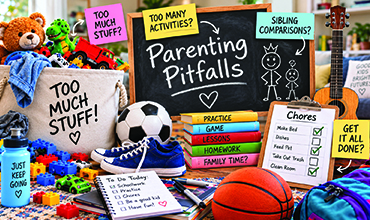
- Don’t buy too many toys. Getting children something every time you go somewhere can send the wrong message and create clutter. Instead, spend money on experiences and time together rather than things that may eventually be thrown away.
- Don’t skip chores. Children need to share in the work of the family. Age-appropriate chores can help children feel responsible and more closely connected to their families.
- Teach children that they won’t always be included. Not being invited to a birthday party or being left out of an activity can hurt, but children
need to learn that they cannot be included in everything. Help them process disappointment and move forward. - Set a good example. Throwing a tantrum at a ballgame teaches children that losing control is an acceptable response to frustration. Children learn by watching the adults around them.
- Don’t force children into activities they dislike. Whether it is a sport or a musical instrument, encourage children to explore their interests rather than forcing them to continue an activity they don’t enjoy.
- Apologize when you are wrong. Modeling an apology teaches children that taking responsibility is a sign of strength, not weakness.
- Teach that failure is OK. Mistakes and failures can provide valuable opportunities to learn, grow, and try again.
- Don’t compare siblings. Each child is unique, with individual talents, personalities, and strengths. Comparisons can damage confidence and create unnecessary competition.
There are many more things parents should avoid, such as letting children win every game, banning things without explaining why, and being overly strict or overly lax. I feel certain you and your sister could add to this list. My suspicion is that you are very good parents and will raise amazing children.
Betty Richardson, PhD, RN, CS, LPC, LMFT, is an Austin-based psychotherapist.