




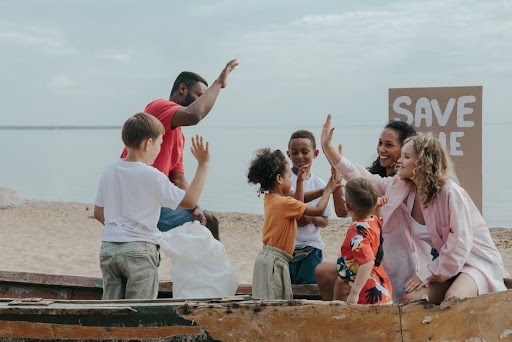
How your child treats others doesn’t just shape your home. It can influence classrooms, neighborhoods, and the wider community too. In Texas, where more than 7 million children call the state home, families, schools, and local organizations all play an important role in helping the next generation grow into compassionate, responsible adults. Kindness, empathy, and a willingness to help others are qualities that strengthen communities of every size. The good news is you don’t need a perfect parenting playbook or a superhero cape. Small, everyday habits often have the biggest impact. When you make empathy part of family life, you’re helping your child develop skills that can lead to stronger relationships, better teamwork, meaningful careers, and a lasting sense of purpose.
Why it matters
When kids learn to care about other people, they carry that mindset into school, friendships, and eventually into adulthood. That’s especially meaningful in growing communities across Texas, where strong families, schools, and local organizations all play a role in supporting one another.
You might already see this at home. A child who checks on a sibling, notices when a friend feels left out, or offers to help a grandparent is developing empathy, communication, and compassion. Those moments may seem small, but they lay the foundation for the kind of character that strengthens communities over time.
For adults who want to turn that same commitment to helping others into a meaningful career, choosing to become a social worker in Texas can be a natural next step. Social workers support individuals, families, and communities through challenges ranging from mental health and child welfare to healthcare and community services. Whether your motivation comes from personal experience or a desire to make a lasting difference, it’s a profession built on the same values of empathy, advocacy, and service.
Everyday empathy at home
Empathy doesn’t have to come from a giant life lesson at the kitchen table. Most of the time, it grows in ordinary moments. You can teach it while driving to school, cleaning up toys, or talking about a rough day.
Start by naming feelings in simple ways. You might say, “Your brother looks frustrated,” or “Your friend seemed nervous today.” That helps your child notice what other people may be going through instead of living in their own tiny universe, where only snack time matters.
A few easy ways to build empathy at home include:
- Asking each family member about the best and hardest part of their day
- Encouraging kids to help with age-friendly chores
- Talking through conflicts instead of only handing out punishments
- Checking in on neighbors, grandparents, or family friends
You don’t need your child to say the perfect thing. You just want them to pause, notice, and care. That habit is worth more than a polished speech and way less exhausting.
Spotting helper qualities
Some kids naturally act like little helpers. Others need time, practice, and a few reminders that the world contains other humans. Both are normal. You’re not looking for perfection. You’re looking for patterns.
A child or teen may have strong helper instincts if they often notice unfair situations, feel upset when someone is excluded, or enjoy solving everyday problems. Maybe they comfort younger kids, love teamwork, or ask thoughtful questions when someone seems off. Those are good signs.
Still, helpful qualities can show up in quiet ways too. A teen who is patient with an elderly relative or who takes school group work seriously may be building the same muscles as the loud, outgoing volunteer.
Watch for growth, not labels. A shy child can be deeply caring. A talkative child may still be learning to listen. The goal isn’t to decide your kid’s future by age ten. It’s to notice the strengths already peeking through and give them room to grow.
Family volunteering ideas
If you want kids to value helping others, let them practice it with you. Family volunteering works best when it feels doable, not like an extreme sport for overbooked parents. Keep it simple and consistent.
You might join a school supply drive, help at a food pantry, or bring donations to a local shelter. Many Texas communities also have park cleanups, library events, church outreach days, and neighborhood projects that welcome families.
Here are a few easy options:
- Sort canned goods at a food bank
- Help at a school fundraiser
- Make care bags for people in need
- Walk dogs at a local shelter
- Pick up litter at a park
Let your child reflect afterward. Ask what they noticed, what surprised them, and whether they’d do it again. Those conversations help the experience stick.
If one project flops, don’t panic. Not every child will love every activity. Volunteering is a bit like trying vegetables. Sometimes you need a few different kinds before something clicks.
When teens show interest
When your teen starts caring deeply about mental health, community issues, or helping younger kids, it’s worth paying attention. That interest may be a passing phase, or it may be the first clue to a future calling. Either way, support beats pressure every time.
Ask what draws them in. Maybe they like listening. Maybe they hate seeing people treated unfairly. Maybe they had a teacher, coach, or counselor who made a big impact. Those details matter more than picking a job title too early.
You can support them by helping them find safe, real-world experiences. That might mean volunteering, joining peer mentoring groups, helping with tutoring, or participating in school clubs focused on service.
Try not to turn curiosity into a five-year plan by dinner. Teens shut down fast when every interest becomes a major life announcement. Keep the tone open and calm. If they care about helping others, that’s already something worth encouraging. The path can come later, one step at a time.
Careers that give back
Many parents want their kids to choose work that is stable and meaningful. The nice thing is those two goals don’t have to fight like siblings over the last cookie. There are plenty of careers that let people earn a living while making life better for others.
Some young people are drawn to teaching, nursing, counseling, nonprofit work, coaching, community outreach, or public service. Others may find their place in social work, where they can support children, parents, older adults, or people facing major challenges.
What matters most is the bigger value underneath the job. Does your child want to solve problems, support families, or help people feel seen and safe? If so, that caring instinct can fit many kinds of work.
As a parent, you don’t need to map the whole road right now. You can simply connect the dots between kindness, responsibility, and future opportunities. That helps your child see that helping others isn’t just a nice extra. For some people, it becomes the center of a very meaningful career.
Small steps count
You don’t have to raise a perfect child to raise a caring one. That’s good news for every parent who has ever heard bickering from the backseat five seconds after a lesson on kindness. Real growth usually looks messy before it looks impressive.
What helps most is repetition. Keep making space for empathy, service, and honest conversations. Let your child see you help a neighbor, thank a teacher, check in on a friend, or speak kindly when things are stressful. Kids notice more than they let on.
If you stay steady, those little moments add up. A family habit of caring can shape how your child treats classmates, responds to conflict, and imagines their future.
You’re not just teaching manners. You’re teaching your child how to live in a community and make it better. In a big state full of growing towns and busy families, that kind of everyday kindness goes a long way. It may not make headlines, but it absolutely makes home feel stronger.