



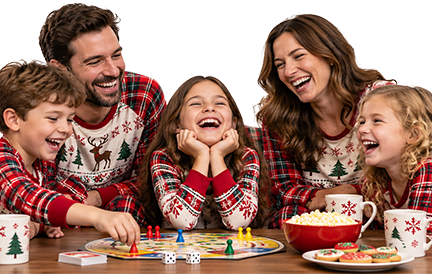
Whether you draw names, swap secondhand treasures, or skip presents altogether, the best holiday tradition is the one that leaves your family feeling closer, not stretched thin.
It’s early November, and someone finally types the question everyone has been thinking in the family group chat: “Are we really doing gifts again this year?”
Or perhaps your version arrives in January, when the credit card statement shows up like an uninvited guest. You wonder how a season of joy turned into a season of dollar signs.
Gift-giving is one of the oldest ways we show loved ones we care. But for many families, what began as a gesture of affection has become an expensive obligation, leaving people stressed and facing a stack of bills.
This year may be the perfect time to consider new ways of giving. From kids-only gifts and name draws to shared experiences and no presents at all, there are plenty of ways to celebrate. The key is finding an approach that fits your family’s budget, values, and relationships.
Why Families Are Rethinking Tradition
Groceries, housing, gas, and child care cost more than they used to, and holiday spending pressure arrives when budgets are already stretched thin. Families have grown, too. You may have gone from buying for four people to shopping for 15.
Meanwhile, many families are craving less stuff and more time together. We’d rather remember a long dinner filled with laughter than a mountain of wrapping paper. Changing a tradition doesn’t mean abandoning it. You’re preserving the spirit while adjusting how you celebrate.
Kids-Only Gifts (Under 18)
This approach keeps the magic of childhood holiday mornings intact while relieving adults of shopping and spending. It’s especially well-suited to large families with lots of young children.
Set the age cutoff clearly, and plan for the potentially awkward moment when a teenager becomes an adult and the presents stop. Give that newly minted 18-year-old a meaningful role instead of making them feel they’ve lost something. Invite them to bake a family favorite, such as Grandma’s cinnamon rolls, or host family movie time after the holiday meal. They’re helping create lasting memories for everyone, especially younger children.
Name Draw or Secret Santa
Each person buys a gift for just one recipient, usually with a spending limit to keep things fair. The result is more thoughtful giving and less spending. It’s a wonderful option for large, multigenerational families.
If relatives are scattered across the country, Elfster may be just the ticket. The free gift exchange website and app randomly assigns names. Participants create wish lists with links to items they’d love, helping Secret Santas choose gifts with less guesswork and fewer returns.
No Gifts at All
For families already stretched thin or those who feel they have everything, skipping gifts shifts the focus to spending time together. It’s the simplest option and easiest on the budget.
The challenge is that someone, particularly a child, may feel the day is missing something. Talk it through ahead of time, and plan a few new Christmas morning rituals:
- A special breakfast: Set up a make-your-own waffle bar or prepare a casserole while everyone lingers in pajamas.
- A stocking full of moments: Tuck handwritten notes inside, such as “Good for your favorite home-cooked meal” or “One night of choosing the movie.”
- Read-aloud time: Gather under blankets for a favorite holiday story, with family members taking turns reading.
- A morning adventure: Admire neighborhood lights or explore a nearby trail, then return home for hot cocoa and s’mores.
L A family project: Start a puzzle, build a gingerbread village, or record a video message for relatives who couldn’t attend.
Experience Gifts and Shared Adventures
Instead of individual presents, the family chooses a group outing, weekend activity, or pooled gift, such as tickets to a show or sporting event. You get shared memories instead of more clutter.
Consider these ideas:
- A day at a zoo, aquarium, or children’s museum.
- Tickets to a local theater production, holiday light show, or concert.
- A family bowling night, mini-golf tournament, or afternoon of ice skating.
- A cabin weekend, camping trip, or day trip to a nearby town.
- A cooking class where everyone prepares dinner together.
- A state park pass or membership to a local attraction.
Welcome to Thriftmas
Set a modest spending limit, or declare that everything must be homemade or secondhand. Welcome to Thriftmas, a holiday tradition where the hunt is half the fun.
A thrift store treasure hunt can become an event of its own. Add a friendly competition for the most unusual find, best bargain, or gift that most perfectly suits its recipient.
Practical gifts of service are another thoughtful option, especially for busy parents, older relatives, or anyone feeling overwhelmed. Ideas include:
- Organizing a closet, garage, or pantry.
- Scrubbing the kitchen or washing windows.
- Handling yardwork or planting spring bulbs.
- Creating a coupon book for babysitting, a home-cooked meal, or technology help.
- Preparing labeled, ready-to-heat freezer meals.
Other affordable favorites include homemade jams, baked goods, framed family photos, hand-knit scarves, personalized playlists, and secondhand books with a thoughtful note.
How to Choose What’s Right for Your Family
Start by gathering everyone’s thoughts around three questions:
- What do we want the holidays to feel like?
- What is a comfortable budget?
- Are there young children who might feel left out?
Your family’s makeup matters, too. A household full of young children has different needs than one made up mostly of adults. Relatives who live far away may prefer an approach that doesn’t involve mailing packages across the country.
If you’re unsure, try a pilot year. Test something new, then sit down afterward, perhaps over leftover pie, and talk about what worked and what didn’t. Nothing has to be permanent.
Starting the Conversation Without Hurt Feelings
Timing is everything. Bring up the topic by early November, preferably sooner, rather than waiting until mid-December, when plans are already in motion. Suggest a change instead of announcing one, and lead with the positives.
You might say, “We love spending time with all of you. Could we try something that takes the pressure off everyone’s wallets?”
Then listen. Some relatives have deep emotional ties to old traditions, and their feelings deserve respect. A grandparent who has wrapped presents for 50 years may not see gift-giving as an expense at all. Be flexible and willing to compromise. A name draw combined with small gifts for the children might satisfy nearly everyone.
Keeping the Spirit Alive
When gifts take up less space, fill it with something meaningful. Play charades or Pictionary. Volunteer as a family, adopt a family in need, plan a holiday movie night, or hold a baking contest.
The most meaningful traditions are rarely the most expensive ones.
A Hopeful Ending
Picture that family group chat again, a few weeks from now. Instead of dreading the conversation, everyone has a plan: a name draw, a shared dinner, or a family game night. The replies are full of exclamation points, and no one is bracing for January’s credit card bill.
The right tradition is the one that leaves your family feeling connected, not stressed. So, as the season approaches, ask yourselves: What does your family want to remember about this year?
Tracie Seed has won numerous awards for writing, art, and design. She’s the happiest while writing, sewing, painting, or spending time with family.