




From Barton Springs Pool to Lake Travis, summer in Austin revolves around swimming, boating, paddleboarding, and long days spent near the water. For many families, those lake trips become favorite summer memories. However, parents know that fun in the sun also comes with responsibility.
Teaching children to swim is one of the most important safety steps families can take, but water safety involves much more than swim lessons or putting life jackets on children before heading to the lake. Even strong swimmers can struggle in unfamiliar conditions, panic in deep water, or overestimate their abilities. Before your family heads out this summer, take time to review water safety basics and create a plan that keeps everyone protected.
Swim Lessons Are Essential
In the Texas heat, families often feel there are only two places to be during the summer: indoors with air conditioning or outside in the water. Because pools, lakes, rivers, and splash pads are such a major part of life in Central Texas, swim lessons should be considered essential for children.
Whether your child attends group lessons at the YMCA, works with a private instructor, or practices at a neighborhood pool, becoming comfortable in the water is critical. Children should learn more than basic swim strokes. They also need survival skills, including floating, treading water, staying calm, and safely reaching the side of a pool or dock.
Many water emergencies begin when a child panics. Kids who suddenly realize they cannot touch the bottom may become frightened and forget basic swimming skills. Regular exposure to safe, supervised swimming environments helps children gain confidence and better understand how to react in deep water.
Parents should also remember that swim lessons do not make children “drown-proof.” Even experienced swimmers require close supervision, especially in lakes and rivers where currents, waves, and visibility can change quickly.
Life Jackets Save Lives
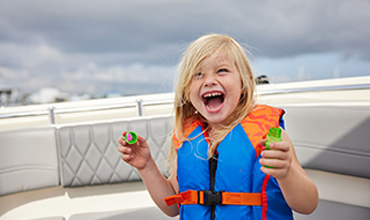
If your family plans to spend time on Lady Bird Lake or Lake Travis this summer, properly fitted life jackets are essential.
Texas law requires children younger than 13 to wear a U.S. Coast Guard-approved life jacket while aboard a recreational vessel under 26 feet long. The life jacket must be worn at all times, not simply carried on the boat.
Parents should avoid relying on inflatable water wings or pool floaties. These products are toys, not safety devices, and they can create a false sense of security for children and adults alike.
A child’s life jacket should fit snugly without being uncomfortable. Test the fit by gently lifting the shoulders of the jacket. If it rises above the child’s ears or chin, it is too large. Children should also practice wearing life jackets before a lake outing so they feel comfortable moving and swimming in them.
Adults can set a strong example by wearing life jackets as well. Children are far more likely to follow safety rules when parents model the same behavior.
Designate a Water Watcher
One of the most common causes of water accidents is confusion about who is supervising the children.
At pools, lakes, beaches, and on boats, families should assign one adult to actively watch the kids at all times. This “water watcher” should avoid distractions, including phones, conversations, reading, or alcohol.
When multiple adults are present, it is easy to assume someone else is paying attention. Unfortunately, accidents often happen during these moments of uncertainty. Experts note that drowning is usually silent and can happen in less than a minute.
Parents can make supervision easier by rotating responsibilities throughout the day. If the designated watcher needs a break, another adult should clearly take over before attention shifts away from the water.
This becomes especially important when swimming from a boat. Unlike pools, lake water is darker, deeper, and harder to monitor. Children jumping off anchored boats can quickly drift farther away than expected, especially when wind or waves increase.
Pools and Lakes Are Very Different
Many children feel confident in swimming pools but become nervous in open water, and that reaction is completely normal.
Pools provide clear water, visible edges, and predictable conditions. Lakes are different. Water may be murky, deep, cold, or filled with vegetation and debris. Boats can rock unexpectedly, and children may not be able to see the bottom beneath them.
Even strong swimmers may feel anxious the first time they jump from a boat or swim in open water. Parents should discuss these differences ahead of time and reassure children that feeling uneasy is OK.
Families can help children adjust gradually by staying close together, practicing with life jackets, and entering the water slowly before trying more adventurous activities.
Watch the Weather
Anyone who has spent time in Central Texas knows the weather can shift quickly. A sunny morning can become stormy within minutes.
When boating or swimming, families should monitor weather conditions throughout the day. Wind can create rough water that is dangerous for young swimmers, while sudden storms can reduce visibility and make boating hazardous.
Lightning is especially dangerous on lakes. If thunder is heard, families should head to shore immediately rather than waiting for rain to begin.
Parents should also consider recent weather patterns. Heavy rain can increase bacteria levels, stir up debris, and create stronger currents in lakes and rivers.
Checking forecasts and local water conditions before leaving home can help families avoid dangerous surprises.
Make Safe Summer Memories
Austin families are fortunate to live near beautiful lakes, pools, and swimming areas that make summer unforgettable. With preparation, supervision, and smart safety habits, parents can confidently enjoy everything the season has to offer.
Start conversations with children now about water expectations, boating rules, and safe swimming behavior. The more familiar kids become with water safety, the more prepared they will be when adventure calls.
A safe day on the lake is a fun day on the lake, and those summer memories can last a lifetime.
Catherine Michalk is a native Austinite, writer, and mom of three. You can follow her family’s adventures at www.catherinemichalk.com.