





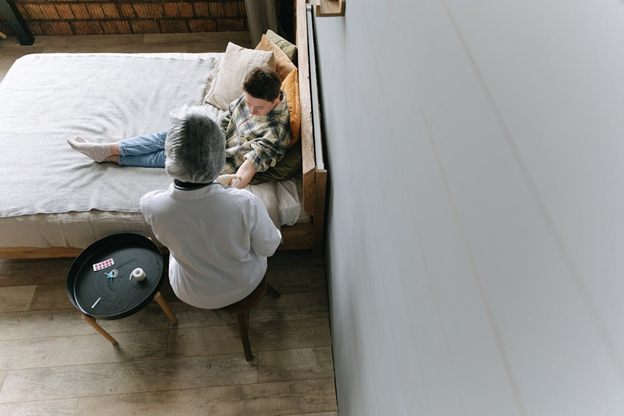
Nursing education is changing as programs now focus on preparing students to think independently, adapt to complex care environments, and respond effectively in different healthcare situations. Clinical exposure and applied training are central to developing well-rounded professionals ready to step directly into practice.
In Texas, the approach to nursing education reflects the growing need for capable and confident family nurses. The demand for registered nurses in the state is projected to rise by 38.8% by the year 2032. Many working nurses are choosing higher education to strengthen their skills and gain practical experience while continuing their current jobs.
Strengthening Clinical Readiness
Clinical readiness is the premise of effective nursing education. Students must be able to evaluate patient needs, communicate clearly with care teams, and make timely decisions that directly affect outcomes. Graduate programs now include realistic simulations and skill labs that prepare students for the challenges of daily practice. Training focuses on developing the ability to think critically, act with precision, and handle uncertainty with professionalism. Such preparation gives nurses the confidence to function independently in busy, high-demand environments.
In Texas, the need for qualified family nurses is often seen growing rapidly. Through FNP programs in Texas, students gain the clinical exposure required to deliver safe, informed, and compassionate care to individuals and families.
Integrating Evidence-Based Research
Modern nursing education is grounded in research that supports decision-making in real-world practice. Students learn to interpret scientific studies, analyze treatment outcomes, and apply findings to clinical care. The ability to use evidence effectively improves consistency and quality in patient management. Faculty encourage students to question outdated practices, look for updated solutions, and base their work on reliable data.
Most nursing programs incorporate research projects that focus on health challenges such as chronic disease prevention and community outreach. Students take part in field studies, reviewing data and proposing evidence-supported interventions. This connection between research and clinical care helps future nurses understand how academic work directly impacts the health of their patients.
Case-Based Learning
Instead of memorizing steps, students are presented with complex patient cases that require judgment, reasoning, and teamwork. This method builds the ability to evaluate symptoms, consider multiple outcomes, and make informed choices under pressure. It also improves communication, as students learn to discuss and defend their clinical decisions in a collaborative setting. The approach builds a deeper understanding and encourages problem-solving rather than simple repetition of procedures.
For nurses, such training prepares them for the unpredictable nature of family practice. Family nurse practitioners often manage a wide range of conditions across all age groups, and no two cases are ever the same. Through case-based coursework, students learn to adapt quickly to each situation and make patient-centered decisions based on sound reasoning.
Aligning Education with Modern Healthcare Technology
Healthcare now depends heavily on digital tools, and nursing programs have adjusted to keep pace. Students are trained to utilize electronic health records, telehealth platforms, and medical devices used in modern care delivery. Learning to use such systems efficiently reduces errors and supports coordinated care across teams. Exposure to technology during training builds familiarity and confidence, allowing nurses to focus on patient interaction rather than administrative challenges once they enter the workforce.
Healthcare facilities are increasingly adopting advanced digital systems, and FNP students benefit from this integration during their clinical placements. They learn how technology supports better patient monitoring, faster communication, and more accurate data management.
Expanding Student Exposure to Diverse Patient Populations
Training in diverse healthcare settings is one of the most effective ways to prepare nurses for real-world challenges. Students gain practical experience working with patients from different cultural, social, and economic backgrounds. Such exposure helps them develop empathy, adaptability, and communication skills that go beyond clinical knowledge. Understanding how lifestyle, environment, and access to care affect patient outcomes builds stronger and more compassionate nurses.
Healthcare diversity is imperative. Students in FNP programs often rotate through both urban and rural care settings, treating patients of all ages and backgrounds. Working in different communities helps them learn how to tailor care to each individual’s needs while maintaining professional consistency.
Linking Theory with Patient-Centered Care
Academic learning gives nursing students the foundation to understand anatomy, disease processes, and clinical protocols. However, real growth happens when that knowledge is applied to actual patient care. Nursing education now emphasizes connecting theoretical understanding with human interaction. Students learn how to balance clinical accuracy with compassion, building trust and communication with patients and families. The goal is to prepare nurses who can combine professionalism with genuine care.
family nurse programs focus strongly on this balance between science and service. Students are encouraged to participate in patient-centered learning experiences that help them apply classroom concepts to daily practice.
Evaluating Clinical Outcomes
Measuring clinical outcomes has become an important part of nursing education. Students are taught to analyze how their care decisions influence recovery, comfort, and long-term wellness. This evaluation process helps them recognize patterns, identify areas for improvement, and take responsibility for the quality of care they deliver.
Instructors use real clinical data to help students understand the impact of evidence-based practice. Students review patient progress reports and participate in feedback sessions with mentors and supervisors.
Preparing Graduates for Family and Community Care
Master’s programs now include coursework and clinical rotations in outpatient clinics, schools, and local health centers. Students gain experience managing chronic conditions, promoting preventive health, and supporting family wellness. This broader approach prepares them for the growing demand for primary and family healthcare providers.
FNP graduates play a major role in overcoming healthcare gaps in smaller towns and underserved communities. Training programs often include outreach work that gives students firsthand experience in community health. This hands-on involvement helps them understand how social factors influence wellness and encourages a sense of responsibility to the populations they serve.
Bridging Academic and Clinical Evaluation
Academic performance and clinical ability must go hand in hand. Nursing schools now work closely with healthcare organizations to evaluate students in both areas. This partnership allows instructors and clinical supervisors to provide consistent feedback and align expectations. Academic grades reflect not just test performance but also real-world application, teamwork, and patient outcomes.
Hospitals and universities, nowadays, maintain strong partnerships to support this dual evaluation model. Students receive guidance from both academic mentors and clinical preceptors who track progress and highlight areas for growth. The collaboration creates a smoother transition from education to employment, giving graduates the confidence to step into their new roles fully prepared.
Programs now combine academic learning with meaningful clinical experience, giving students the tools they need to handle real challenges with confidence. The emphasis on flexibility, research, and community engagement has strengthened both the quality of training and the readiness of future family nurses.