



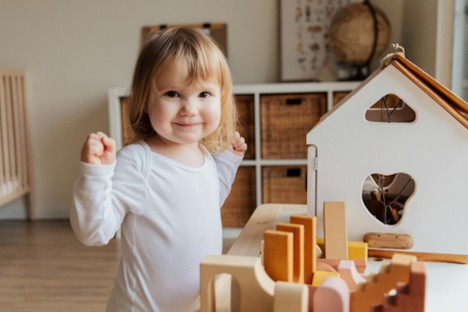
When we think about our children’s safety and health, our minds often rush to playgrounds, schoolyards, and busy city streets. In places like Austin, where parks and nature trails are abundant, outdoor safety is an understandable concern. But what about the place where our little ones actually spend most of their time? Home.
It’s easy to overlook the hazards and health factors within our own walls. From the bathroom to the bedroom, from the air they breathe to the toys they play with, every corner of the home plays a role in your child’s wellbeing.
This guide breaks down the key areas of your home you should consider and gives you practical, actionable advice to keep your children safe, engaged, and thriving indoors.
Bathrooms: Safe, Fun, and Summer-Ready Retreats
In a warm climate like Austin’s, bathrooms serve more than just functional purposes—they offer a place to cool off and refresh. For children, bathrooms should be both safe and inviting. Think of it as a place where comfort meets caution. Slippery floors are a leading cause of home injuries for children, so installing non-slip tiles and adding bath mats with rubber grips is a smart starting point.
Water temperature control is another crucial factor. Anti-scald valves and faucet covers are inexpensive but effective safeguards. Children should never be able to access cleaning supplies or medicines, so locked cabinets or high shelving are a must. At the same time, making the space visually appealing—colorful towels, themed shower curtains, or decals—can make bath time less of a chore.
If you’re considering a renovation, partner with a professional who has ample experience in bathroom remodels in Austin and understands local codes and child-friendly designs. They’ll help you build a bathroom that is both future-proof and perfectly suited for your family’s needs.
Entryways and Flooring: Where First Falls Can Happen
The moment your child walks through the front door, their safety journey begins. Entryways may seem harmless, but they often become cluttered, slippery, or even hazardous for young children. Wet shoes, backpacks, and pet bowls are common culprits in accidental slips or stubbed toes. A shoes-off policy at the door can reduce dirt, allergens, and outside chemicals from entering your home, making your floors safer and cleaner for little hands and knees that frequently touch them.
Floors should ideally be made of materials that are both forgiving and safe. Hardwood may be stylish, but cork, bamboo, or padded vinyl flooring offer better cushioning in the event of a fall. Entryways also benefit from a designated “kid zone” with low hooks for coats and shelves for shoes and bags.
Kitchen Safety: Where Curiosity Meets Caution
The kitchen is often the heartbeat of the home, and also one of the most potentially dangerous areas for kids. Young children are naturally curious, which is a beautiful trait, but it can lead to risky behavior. Safety begins with storage. Cleaning agents, sharp objects, and even plastic bags should be locked away or stored well above a child’s reach.
Stove knob covers, oven locks, and drawer latches can prevent accidents before they start. However, kitchens don’t have to be off-limits. When appropriate, involve kids in simple cooking tasks. Washing vegetables, stirring (with supervision), or setting the table can instill a sense of responsibility and awareness about safety in the kitchen.
Bedrooms: Where Rest, Growth, and Imagination Happen
A child’s bedroom should be their sanctuary—a space where they can relax, dream, and feel completely secure. Comfort and safety go hand in hand here. Mattresses and bedding should be firm, breathable, and ideally made from organic or hypoallergenic materials.
Make sure furniture is anchored to the wall to prevent tip-overs, especially dressers and bookshelves. Choose soft lighting options for nighttime and avoid cords or floor lamps that can be easily knocked over. Instead of cramming the room with toys and clutter, opt for open storage bins and a simple layout. This gives children space to move, imagine, and grow without getting overwhelmed or injured.
Living Room: Play Zones Without the Pitfalls
The living room is often a shared space for the whole family, so it needs to accommodate both adults and children comfortably. For little ones, that means removing sharp-edged coffee tables or at least covering them with corner guards.
Choose furnishings with performance fabrics that resist stains and don’t contain harmful chemicals. Avoid glass-top tables or decorative pieces that can easily shatter. Also, keep a dedicated area for toys and books to reduce the risk of scattered items becoming tripping hazards.
Indoor Air Quality: Breathing Easy
The air inside your home plays a major role in your child’s overall health, especially since kids spend most of their time indoors. Poor indoor air quality can lead to frequent colds, allergies, and long-term respiratory issues. Fortunately, maintaining clean air at home doesn’t require complex systems or expensive equipment.
A simple but effective step is to ventilate regularly. Open your windows to let fresh air in and help reduce indoor pollutants. If you live near a busy street or during allergy season, use high-efficiency particulate air (HEPA) filters in your HVAC system or standalone air purifiers. These help trap dust, pollen, pet dander, and other microscopic irritants.
Avoid synthetic air fresheners or candles that emit volatile organic compounds (VOCs). Instead, opt for natural alternatives like essential oil diffusers or simmer pots. Indoor plants can also help purify the air, but be sure to choose varieties that are safe for kids.
Outdoor Areas: Extending Safety Beyond the Back Door
Your home’s outdoor space offers valuable play opportunities, but it also comes with its own set of safety considerations. If you have a pool or hot tub, fencing is non-negotiable. Use self-latching gates and never leave kids unattended near water. For families with climbing equipment or swing sets, inspect each structure regularly for loose bolts, rust, or splintering wood.
Store gardening tools, lawnmowers, and pesticides securely in sheds or garages. Children often mimic adult behavior, and something as simple as a rake or fertilizer bag can turn risky in the wrong hands. Make sure walkways are well-lit and patios have secure railings to prevent slips or falls. Even a small backyard can become a child-safe haven with just a few adjustments.
A child’s safety at home doesn’t mean you have to create a sterile or over-regulated space—it just means you have to be mindful and make smart choices. Your home can’t be perfect, but you can take steps to eliminate any potential hazards. By taking thoughtful steps to assess and improve your living environment, you make your home not just safer, but healthier, more welcoming, and more joyful. And that’s a space every child deserves to grow up in.