


Spring in Austin brings bluebonnets, warm sunshine, and plenty of outdoor fun for families. It also brings something less welcome: pollen. Central Texas is famous for intense seasonal allergies, and spring can be especially difficult for children whose eyes, noses, and immune systems are still developing.
From itchy eyes to persistent sneezing, allergy symptoms can interfere with school, sports, and sleep. For parents, understanding how allergies affect children at different ages, and when to seek medical care, can make a big difference in keeping kids comfortable during peak pollen season.
Why Spring Allergies Are So Intense in Austin
The region’s climate and vegetation make spring allergy season particularly challenging. Trees such as oak, elm, and ash release large amounts of pollen beginning in late winter and continuing through spring. These microscopic particles travel easily through the air and trigger allergic reactions in sensitive individuals.
When pollen enters the eyes or respiratory system, the body releases histamines. This response can cause red, itchy, watery eyes, congestion, sneezing, and fatigue. Children may not always recognize or explain their symptoms clearly, which makes it important for parents to watch for subtle signs.
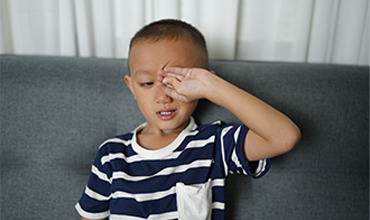
Eye irritation is one of the most common complaints during allergy season. Many children rub their eyes frequently, complain about burning or itching, or develop redness that parents may mistake for pink eye.
Caring for Infants and Toddlers
Infants and toddlers cannot explain what they are feeling, so parents must rely on observation.
Common allergy signs in babies and toddlers include persistent eye rubbing, watery eyes, nasal congestion, irritability, and trouble sleeping. Some young children also develop dark circles under their eyes, sometimes called “allergic shiners.”
Parents can help reduce symptoms by keeping windows closed during high pollen days, running air conditioning with clean filters, and washing children’s hands and faces after outdoor play. Changing clothes after coming indoors can also help remove pollen.
Because infants are sensitive to medications, parents should always consult a pediatrician before using allergy treatments. If symptoms persist for more than a few weeks, worsen, or interfere with sleep or feeding, it is time to call the doctor.
Helping Elementary-Age Kids
Children in elementary school often experience stronger seasonal allergy symptoms as their immune systems become more reactive to environmental triggers. Kids at this age may complain about itchy or watery eyes, blurred vision from excessive tearing, headaches, or frequent sneezing. Outdoor activities such as recess and sports can make symptoms worse during peak pollen times.
Parents can teach children simple habits that reduce pollen exposure. Encourage kids to avoid rubbing their eyes, which can worsen inflammation and introduce bacteria. Sunglasses can help block airborne pollen from reaching the eyes during outdoor play. Showering and washing hair in the evening also removes pollen that collects throughout the day.
Over-the-counter antihistamines or allergy eye drops may help relieve symptoms, but parents should always check with their pediatrician before starting new medications.
Preteens and Teens: Taking Charge of Their Health
Older children and teenagers can begin managing parts of their allergy care themselves.
Preteens and teens should learn to recognize symptoms such as itchy eyes, swelling around the eyelids, sinus pressure, or sensitivity to light. Many teens also wear contact lenses, which can trap pollen against the eye and make irritation worse.
Encourage teens to switch to glasses during high pollen days if their eyes become irritated. Daily disposable contacts may also help reduce buildup of allergens.
Teens can also take responsibility for preventive habits, including monitoring daily pollen forecasts, keeping allergy medications consistent, and avoiding touching or rubbing their eyes.
Eye Care During Allergy Season
Allergic conjunctivitis is a common eye condition caused by allergens such as pollen. Symptoms include redness, itching, tearing, swelling, and sensitivity to light.
Parents should watch for signs that symptoms are more than mild seasonal irritation. These may include persistent redness, thick discharge, eye pain, or changes in vision.
Cool compresses can help soothe itchy eyes. Artificial tears can also rinse allergens from the eye surface. However, frequent eye rubbing should be discouraged because it can worsen inflammation and potentially damage the delicate tissues of the eye.
When to See a Doctor
Parents often wonder whether allergy symptoms require medical attention.
A pediatrician should be consulted when allergy symptoms interfere with sleep, school, or daily activities, or when symptoms last longer than several weeks.
An allergist may be recommended if a child experiences severe reactions, frequent sinus infections, or poorly controlled symptoms. Allergy testing can help identify specific triggers and guide treatment.
An eye doctor should evaluate children who experience persistent eye redness, swelling, pain, or vision changes. Eye specialists can determine whether symptoms are caused by allergies, infection, or another condition.
Early treatment can prevent complications and help children stay comfortable during the busiest months of pollen season.
Helping Kids Enjoy Spring
Despite the challenges of allergy season, children in Austin can still enjoy outdoor activities with the right precautions.
Checking daily pollen counts, planning outdoor time later in the afternoon when pollen levels may be lower, and encouraging good hygiene habits can significantly reduce symptoms.
With guidance from parents and support from healthcare providers, children can learn how to manage seasonal allergies and still enjoy everything spring in Central Texas has to offer.
For families, awareness and preparation are the best defenses against itchy eyes, runny noses, and the annual cloud of pollen that drifts across the Hill Country each spring.
Anton Edward Cox, Sr. is a nutritionist, husband, and a father of 6. He’s passionate about illness prevention with an aim to empower parents to build strong, healthy families.